
Technical Bulletin: Temperature Indicator Labels for Climate-Resilient Transport and Cold Chain Monitoring
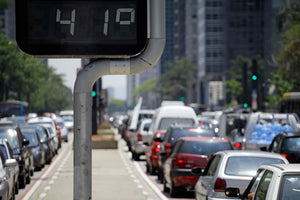

The global transport sector is facing a growing thermal management challenge. As climate change drives more frequent and more intense heatwaves across all major freight and passenger transport corridors, the temperatures experienced by temperature-sensitive goods, vehicle components, and transport infrastructure are increasing. Conventional monitoring approaches that were calibrated for historical climate conditions are increasingly being stressed by the new reality of extreme heat events — and the result is a growing case for more responsive, product-level temperature monitoring in logistics and freight transport.
Temperature indicator labels are a key component of the monitoring toolkit for climate-resilient transport, providing visible, cost-effective, product-level evidence of thermal exposure throughout the supply chain. This technical bulletin examines the specific challenges that changing climate conditions create for temperature monitoring in freight transport, and how temperature indicator labels are being used to address them.
The Climate Challenge for Temperature-Controlled Transport
Temperature-controlled transport has traditionally been designed around historical climate data: the typical summer ambient temperatures in the regions the route traverses, the expected duration of loading and unloading operations at ambient temperature, and the performance specifications of refrigeration equipment under normal operating conditions. As heatwave frequency and severity increase, these design parameters are increasingly being exceeded.
European road transport corridors regularly experience ambient temperatures above 40°C during summer heatwaves — temperatures at which even well-insulated refrigerated trailers experience significantly higher heat ingress than their nominal specifications, particularly if doors are opened frequently during multi-drop distribution. In air freight, cargo hold temperatures in parked aircraft exposed to direct sunlight can reach 55–60°C before departure, even on routes where in-flight cargo hold temperatures will be well controlled. Container shipping through the Middle East, South and Southeast Asia, and across the equatorial Pacific routinely exposes container contents to temperatures exceeding 50°C, with deck-stowed containers in direct sunlight potentially reaching 70°C or above.
These conditions create real and measurable risks for temperature-sensitive goods: pharmaceuticals that degrade above 25°C, chilled foods that develop microbial risk above 5–8°C, electronic components with maximum storage temperatures above 40–50°C, and industrial goods with adhesive, chemical, or mechanical properties that change when heated beyond specification.
How Temperature Indicator Labels Address Climate-Related Transport Risk
Temperature indicator labels applied at the point of origin provide a product-level thermal history record that reflects the actual conditions experienced by the goods during transit — not the conditions expected based on the route specification or the vehicle's refrigeration unit performance. In a standard refrigerated transport operation, a vehicle's temperature recorder documents the air temperature inside the vehicle. The product temperature may diverge from the recorded air temperature during loading operations, multi-drop deliveries, or equipment performance variations that the air probe does not capture.
By placing a temperature indicator label on the product itself — on the case, the shipper box, or the individual item — the shipper and receiver can verify the actual thermal history of the goods, not just the ambient temperature history of the vehicle. For temperature-sensitive goods on routes that are at risk from climate-related heat events, this product-level verification is increasingly important for regulatory compliance, insurance purposes, and quality assurance documentation.
Specific Applications in Climate-Resilient Transport Operations
Pharmaceutical Cold Chain in Extreme Heat Corridors
The pharmaceutical cold chain traverses regions where ambient temperatures routinely challenge the performance of conventional controlled temperature packaging. Vaccines, biologics, and temperature-sensitive medicines distributed in South Asia, the Middle East, and sub-Saharan Africa — regions where heat stress on cold chain packaging is most acute — benefit from temperature indicator labels that confirm whether the product remained within its 2–8°C or 15–25°C storage specification throughout transit. WHO Performance, Quality and Safety (PQS) prequalified cold chain indicators are specifically designed for use in the difficult ambient conditions of vaccine distribution in low and middle income countries.
Food Distribution in High-Ambient-Temperature Regions
Fresh produce, chilled dairy, and meat products distributed in high-ambient regions face growing cold chain integrity risks as summer temperatures rise. Temperature indicator labels on individual units or cases provide the incoming inspection evidence needed to document cold chain compliance at goods receipt — and to identify consignments that were exposed to damaging temperatures during transit before they enter the distribution network. For retail customers with strict food safety audit requirements, this per-consignment monitoring evidence is increasingly expected as a baseline quality assurance measure.
Electronics and Industrial Goods in Container Shipping
Electronic components, adhesives, specialty chemicals, and other industrial goods with defined maximum storage temperatures can be damaged by the extreme temperatures experienced inside shipping containers on tropical and equatorial routes. Temperature indicator labels applied to the goods before container loading confirm whether the goods were exposed to temperatures exceeding their specification during the voyage. For goods requiring maximum storage temperatures of 40°C or 50°C, labels monitoring activation at these thresholds provide the shipper and consignee with objective evidence of transit conditions that can inform insurance claims, product disposition decisions, and quality release determinations.
Rail Freight in Extended Summer Heatwaves
Rail freight wagons in extended summer heatwaves — particularly open wagons or covered wagons with poor insulation exposed to direct sunlight — can experience internal temperatures significantly above ambient. Perishable, pharmaceutical, and temperature-sensitive industrial goods transported by rail in summer conditions benefit from the same product-level monitoring that is standard in road refrigerated transport. Temperature indicator labels provide a simple, low-cost method of extending this monitoring to rail freight movements where electronic data loggers would be impractical or cost-prohibitive for the goods value and transit distance involved.
Air Freight Staging and Ground Handling
The period of greatest thermal risk for air freight is not in flight, but on the ground: during loading at origin airports in hot climates, during transit through hub airports in tropical regions, and during staging before final delivery. Temperature indicator labels applied to air freight shipments at origin airports provide documentation of thermal exposure throughout the ground handling chain, enabling shippers and freight forwarders to identify and address ground handling practices that are causing heat damage to temperature-sensitive air freight.
Frequently Asked Questions
What temperature thresholds are most relevant for climate-resilient transport monitoring?
The most relevant thresholds depend on the product type. For pharmaceutical products, 25°C (long-term stability limit for many medicines) and 30°C (accelerated degradation threshold) are the key monitoring points. For chilled food, 5°C and 8°C are the critical limits under food hygiene regulations. For electronics and industrial goods, 40°C, 50°C, or 60°C depending on the product specification. For container shipping on tropical routes, 50°C and 60°C are relevant monitoring thresholds for ambient-temperature goods. Temperature Indicators Ltd supplies labels calibrated to all of these thresholds.
Can temperature indicator labels be used in pharmaceutical cold chain programmes subject to GDP requirements?
Yes — temperature indicator labels are used in pharmaceutical cold chain operations subject to EU GDP Guidelines, MHRA requirements, and WHO prequalification frameworks. The indicator specification and performance data must be included in the transport qualification documentation for each shipping configuration. Temperature Indicators Ltd can provide the product specifications and performance documentation required for GDP-compliant cold chain qualification packages.
How do climate change projections affect cold chain design standards?
Cold chain design standards have historically been based on historical climate data. As climate projections for key transport corridors indicate increasing frequency of temperature extremes, the qualification conditions used in cold chain packaging validation are being revised upward in some sectors. WHO and other agencies are reviewing their cold chain packaging qualification protocols to reflect projected ambient temperature increases in the regions where their products are distributed. For shippers and logistics providers, this means that cold chain packaging and monitoring approaches validated against past conditions may need to be re-evaluated against projected future conditions.
Are there specific label formats suitable for very high ambient temperature environments?
Yes — temperature indicator labels used in high-ambient-temperature logistics environments should be selected from product ranges specifically validated for extended high-temperature storage conditions (i.e., storage at 35–40°C without premature activation). Standard labels stored at ambient temperature in a warehouse in the UAE or Singapore may be exposed to storage conditions that stress their shelf life and pre-use stability. Specify the expected maximum storage temperature when ordering labels for use in high-ambient regions to ensure the correct product variant is supplied.
What is the difference between a trip indicator and a time-temperature integrating indicator?
A trip indicator (sometimes called a threshold indicator) activates permanently if a specific temperature is exceeded, regardless of how long the exposure lasted. It answers the question "did the temperature exceed X°C at any point?" A time-temperature integrating indicator accumulates the thermal dose received by the product over time, providing a response that reflects both the temperature reached and the duration of exposure. Integrating indicators are more appropriate for products where accumulated thermal stress — not just peak temperature — determines quality or safety impact, such as vaccines and short shelf-life chilled products.
About Temperature Indicators Ltd
Temperature Indicators Ltd is a specialist global distributor solely focused on temperature-sensitive labels, tags, and indicators for cold chain monitoring, process validation, and regulatory compliance. With 35 years of experience and operations shipping to over 50 countries worldwide, we supply food manufacturers, pharmaceutical distributors, sterile services departments, and logistics providers with the temperature monitoring solutions they need to maintain compliance. Contact us for expert guidance on temperature monitoring for your application.
Legal Disclaimer
The information provided in this article is for general guidance only. Temperature Indicators Ltd makes no warranties, express or implied, regarding the accuracy or completeness of this content. Product specifications, regulatory requirements, and industry standards may change over time. Always verify current requirements with the relevant regulatory authority and consult a qualified professional before making decisions based on information contained in this article. Temperature Indicators Ltd accepts no liability for actions taken in reliance on information provided here.
- Temperature Indicators Staff


