
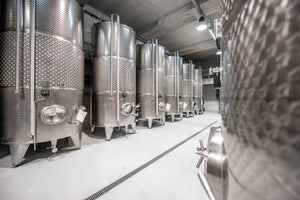

Minimising Volatile Acidity Risk in Wineries: Temperature-Verified Cleaning
Volatile acidity (VA) is one of the most commercially damaging defects in wine. Caused primarily by the activity of acetic acid bacteria — particularly Acetobacter and Gluconobacter species — VA manifests as a sharp, vinegary character that is perceptible even at very low concentrations and escalates rapidly if conditions allow the bacteria to continue growing. A wine with elevated VA that reaches the palate of a consumer, retailer buyer, or critic will be rejected as defective — and the damage
- Temperature Indicators Staff
- Tags: Acetobacter CIP cleaning hot water sanitation SALSA temperature labels VA control volatile acidity wine quality winery


Brewery Sanitation with Temperature-Sensitive Labels: Verifying CIP and Hot Water Cleaning
Brewery hygiene is the foundation of consistent beer quality. Unlike most food products, beer is produced through a living biological process in which the desired yeast culture competes for resources with a wide range of potential spoilage organisms — and in which off-flavours produced by even low-level contamination can render an entire batch unsaleable. The cleaning and sanitising regimes that protect fermentation vessels, conditioning tanks, bright beer tanks, pipework, and filling lines from
- Temperature Indicators Staff
- Tags: BRC Brettanomyces brewery sanitation CIP craft beer hot water cleaning Lactobacillus SALSA temperature labels


Winery Sanitation: Using Temperature Indicator Labels to Verify Hot Water Cleaning
Sanitation is one of the most critical and technically demanding aspects of winery operations. The same warm, nutrient-rich, slightly acidic environment that supports yeast during fermentation is also hospitable to a range of spoilage microorganisms — Acetobacter, Lactobacillus, Brettanomyces, and wild yeasts — that can devastate wine quality if given the opportunity to establish themselves in processing equipment. Hot water cleaning, combined with appropriate chemical sanitisers, is the front l
- Temperature Indicators Staff
- Tags: BRC Brettanomyces CIP hot water cleaning SALSA temperature monitoring wine production winery sanitation


