
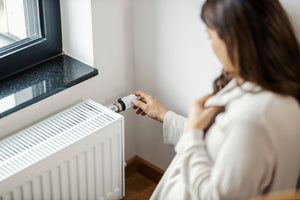

Hot Surfaces, Cool Solution: Indicator Labels Prevent Burns
In winter, burn risks lurk in hot workplaces, homes & care facilities. Traditional methods like touch or sight fail, putting children, seniors, and those with sensory impairments at risk. This article explains the benefits of using self-adhesive temperature sensitive labels that change colour when surfaces get too hot.- Temperature Indicators Staff
- Tags: care facility safety child safety elder care hot surface safety temperature indicator labels workplace safety


Safeguarding Against Hot Surface Burns: Reversible Temperature Warning Labels
Contact burns from hot surfaces remain one of the most consistently underreported categories of workplace and domestic injury. Unlike cuts and fractures, which are immediately obvious, burns from brief contact with hot surfaces are often treated informally or not recorded at all — yet they cause genuine suffering, time off work, and in vulnerable populations, serious complications. The common thread in the majority of preventable hot surface burns is not a lack of safety rules or procedures, but
- Temperature Indicators Staff
- Tags: burn prevention care home children dementia hot surface warning PUWER reversible temperature indicator thermochromic label workplace safety
Hot Surface Warning Labels: Protecting Workers from Burns in the Workplace
Hot surfaces in the workplace are responsible for thousands of burn and scald injuries every year across manufacturing, catering, healthcare, and process industries. Many of these incidents are preventable — but preventing them requires more than training and signage. It requires a warning that is present precisely when the hazard is present, and absent when it is not.
- Temperature Indicators Staff
- Tags: burn prevention health and safety hot surface labels surface temperature warning Tempsafe thermochromic workplace safety
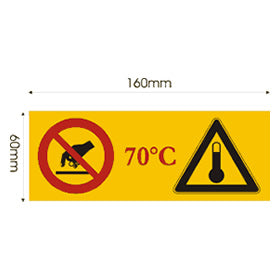

Surface Temperature Warning Labels: How the Tempsafe 70 Protects Workers from Burns
Burns from contact with hot surfaces are one of the most common workplace injuries across manufacturing, catering, healthcare, and process industries. Many of these incidents occur not because safety procedures are inadequate, but because equipment surfaces that look ordinary at a glance are dangerously hot — and there is no visible indication of the hazard until it is too late.
- Temperature Indicators Staff
- Tags: burn prevention health and safety hot surface safety surface temperature warning Tempsafe 70 thermochromic workplace safety


