
News
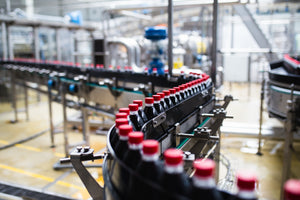

Proactive Maintenance in Food and Beverage Production: Temperature Monitoring Guide
Unplanned downtime in food and beverage production is not just a maintenance problem — it is a food safety problem, a cost problem, and increasingly a regulatory and contractual compliance problem. A production line that stops unexpectedly due to equipment failure may leave temperature-sensitive products in an uncontrolled state, disrupt HACCP critical control point monitoring, and create conditions where cross-contamination risks increase. The pressure to restart production quickly can lead to
- Temperature Indicators Staff
- Tags: BRC CMMS downtime food and beverage FSSC 22000 heat exchanger motor temperature predictive maintenance proactive maintenance pump bearing
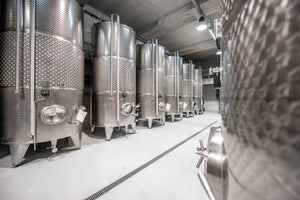

Minimising Volatile Acidity Risk in Wineries: Temperature-Verified Cleaning
Volatile acidity (VA) is one of the most commercially damaging defects in wine. Caused primarily by the activity of acetic acid bacteria — particularly Acetobacter and Gluconobacter species — VA manifests as a sharp, vinegary character that is perceptible even at very low concentrations and escalates rapidly if conditions allow the bacteria to continue growing. A wine with elevated VA that reaches the palate of a consumer, retailer buyer, or critic will be rejected as defective — and the damage
- Temperature Indicators Staff
- Tags: Acetobacter CIP cleaning hot water sanitation SALSA temperature labels VA control volatile acidity wine quality winery


Safeguarding Against Hot Surface Burns: Reversible Temperature Warning Labels
Contact burns from hot surfaces remain one of the most consistently underreported categories of workplace and domestic injury. Unlike cuts and fractures, which are immediately obvious, burns from brief contact with hot surfaces are often treated informally or not recorded at all — yet they cause genuine suffering, time off work, and in vulnerable populations, serious complications. The common thread in the majority of preventable hot surface burns is not a lack of safety rules or procedures, but
- Temperature Indicators Staff
- Tags: burn prevention care home children dementia hot surface warning PUWER reversible temperature indicator thermochromic label workplace safety
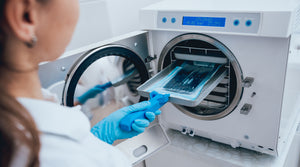

Technical Bulletin: Lead-Free, Latex-Free Autoclave Tape for Healthcare Sterilisation
Autoclave tape — also known as sterilisation process indicator tape — is one of the most widely used Class 1 chemical indicators in healthcare sterilisation. Applied to the outside of wrapped instrument sets, cassettes, and pouches before loading into the autoclave, it provides immediate visual confirmation that the package has been processed — and that it should not be mistaken for an unprocessed item on the way to or from the sterile services department. But not all autoclave tapes are the sam
- Temperature Indicators Staff
- Tags: autoclave tape Class 1 indicator CSSD healthcare ISO 11140-1 latex-free lead-free NHS steam sterilisation sterilisation


